
Automatic doors have become a standard feature in modern commercial and public buildings. From retail outlets and hospitals to educational institutions and offices, they offer convenience, accessibility and efficiency.
While they enhance the user experience and streamline foot traffic, they also come with a legal and regulatory responsibility. In the UK, there are specific standards and laws that govern the safety, design and maintenance of automatic doors. Compliance is not optional – it’s a legal obligation that ensures user safety and shields organisations from serious consequences such as fines, liability claims and reputational damage.
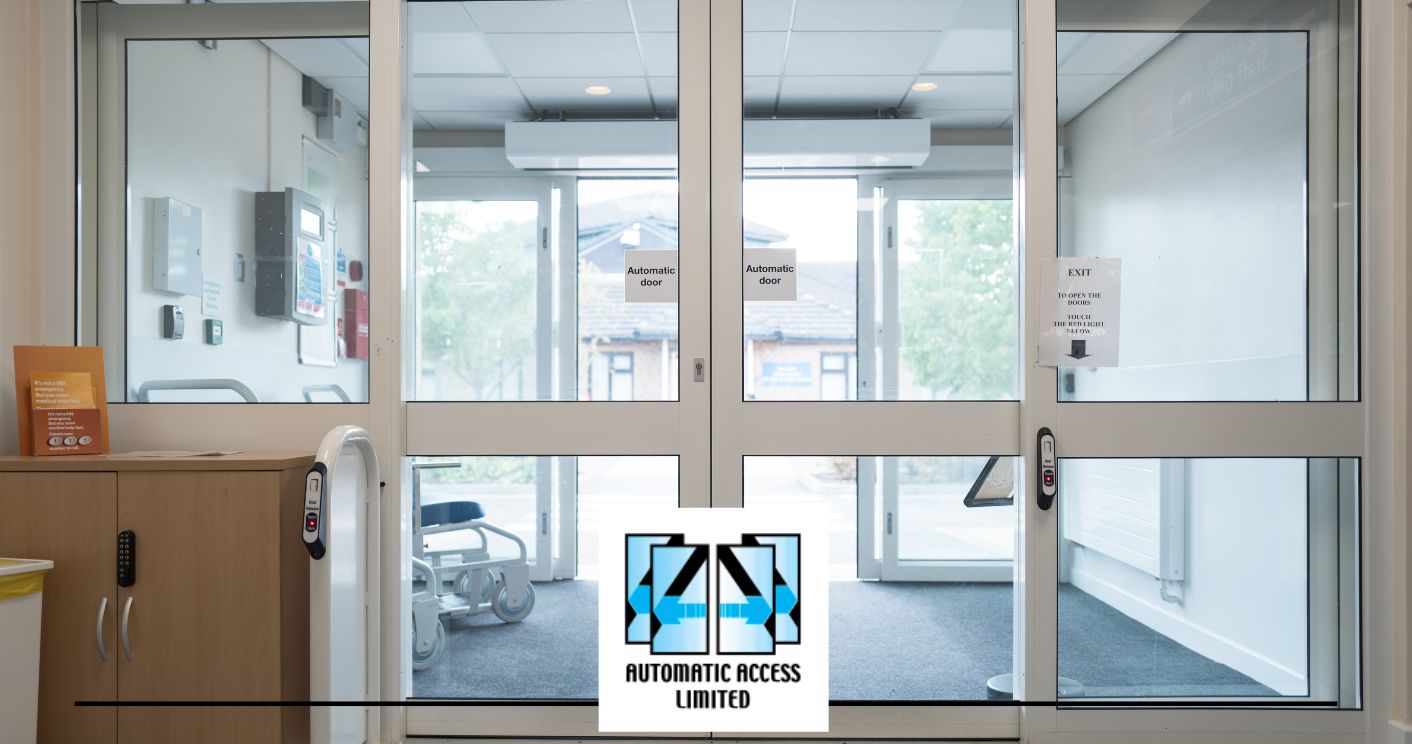
© Nick Beer / Shutterstock.com
Key UK regulations governing automatic doors
To ensure compliance, businesses must adhere to several key pieces of legislation. The most critical among these are BS EN16005, the Equality Act 2010, and the Health and Safety at Work Act 1974. Together, these form the regulatory foundation for the safe and inclusive use of automatic doors in the UK.
BS EN16005 is the central European standard adopted in the UK that addresses the safety of automatic pedestrian doors. It provides guidance on their design, installation and maintenance to minimise the risk of injury. The Equality Act 2010 mandates that services and premises must be accessible to all individuals, including those with disabilities. The Health and Safety at Work Act 1974 requires employers and building operators to ensure a safe environment for both employees and the public.
These regulations are not standalone; they work in tandem. For example, a building that installs automatic sliding doors must ensure that the doors do not pose a physical risk (BS EN16005), are accessible to all users (Equality Act) and are regularly inspected and maintained to remain safe in operation (Health and Safety at Work Act).
Understanding BS EN16005
The BS EN16005 standard, introduced in April 2013, outlines safety requirements, specifying how the doors must operate to reduce injury risks and maintain safe use over time. This includes details such as the correct positioning of sensors to detect people approaching from various directions; activation zones that must be clearly defined; and limitations on the force with which doors open and close to prevent impact injuries.
The standard limits the amount of kinetic energy that can be transferred to a person by a moving door leaf and mandates fail-safe closing mechanisms. It defines the proper signage and visibility of the doors to avoid confusion or misuse. These specifications are especially important for high-traffic environments, such as hospitals or shopping centres, where a malfunction or misconfiguration could result in harm to pedestrians.
Importantly, the standard covers more than just installation; it places ongoing responsibility on building owners and operators to ensure compliance through routine inspections and servicing. Failure to meet these safety criteria can be grounds for legal action if an injury occurs.
The Equality Act 2010 and inclusive design
Accessibility for all is more than a design feature; it’s a legal requirement. The Equality Act 2010 replaced the Disability Discrimination Act to stipulate that service providers must make reasonable adjustments to ensure their premises are accessible to people with disabilities. Automatic doors play a crucial role in fulfilling this duty, especially when installed at entrances, exits and key internal areas.
The placement, height and ease of use of automatic doors must accommodate individuals using wheelchairs, mobility aids, or those with visual and physical impairments. It also aids elderly or frail pedestrians, and people pushing patient trolleys or pushchairs, such as at healthcare or retail facilities respectively. This might involve ensuring sufficient clearance widths, responsive activation sensors, and clearly marked door paths. Failure to consider these needs can result in indirect discrimination, exposing businesses to legal complaints or financial penalties.
When designed and maintained appropriately, automatic doors remove physical barriers and enhance inclusivity, making spaces more welcoming and compliant with both moral and legal standards.
Legal and financial consequences of non-compliance
Non-compliance with the regulations can lead to serious consequences. Injuries caused by faulty doors can result in personal injury claims, often involving significant compensation payouts. Beyond financial loss, such incidents can severely damage a company’s reputation and result in regulatory investigations.
According to data from the Health and Safety Executive, businesses found in violation of safety laws can face prosecution and hefty fines of thousands of pounds, depending on the severity of the breach and the harm caused. For instance, if an automatic door fails due to poor maintenance or installation and causes injury, the operator could be found liable under both the Health and Safety at Work Act and BS EN16005.
Role of maintenance in ensuring compliance
To meet regulatory requirements and ensure optimum performance and greater longevity, regular automatic door maintenance should be carried out. This is where professional service providers like Automatic Access become indispensable. Established in 2004, we offer tailored maintenance packages that help businesses extend the lifespan and safety of their automatic door installations. A maintenance package includes regular inspections, proactive servicing and rapid automatic door repairs should faults arise. These services help businesses meet the requirements of BS EN16005 Section 4:2:1, which states that operators must maintain doors in a safe condition through professional servicing.
Maintenance plans can be tailored to the frequency and complexity of door use. Options range from one full-service visit per year to more comprehensive packages that include two visits annually, emergency call-outs, and replacement parts. Our fully comprehensive plan even covers all reactive call-outs and replacement components, offering total peace of mind and cost predictability.
Assessing compliance of existing installations
For businesses unsure about the status of their current doors, a compliance review is a practical first step. Automatic Access provides free access audits and site surveys, during which our certified technicians inspect existing doors for alignment with current standards.
Weekly safety checks by occupiers should also be part of ongoing compliance. As recommended by the Automatic Door Suppliers’ Association, these should include verifying the functionality of sensors, door buttons and signage, as well as testing how the door reacts to obstructions.
Why choose Automatic Access?
Committed to safety, quality and compliance, we serve clients across the UK with custom-fit automatic door solutions. Our use of products from leading global manufacturers ensures each installation is designed for durability, performance and adherence to the relevant standards. All our technicians are DBS checked and certified in key safety and construction standards, including BS EN16005, CSCS and asbestos awareness. Providing a track record of successful, compliant installations; our work spans public buildings, schools, healthcare facilities and commercial premises. Our fast response repair service means businesses can minimise downtime and ensure continuity in daily operations: when issues arise, quick and effective automatic door repairs prevent minor faults from becoming major liabilities.
To find out more, or to book a compliance audit, contact our team on 0330 4410 666 or visit our website to schedule a consultation.